
CONSULTING

Be a prestigious brand in the competitive market with HACCP or GFSI standards Certification and product identity certification such as Kosher, Halal, Organic, Gluten-Free etc.
AUDITING

Save yourself from costly HACCP or GFSI certification audit fees and poor audit rating with HACCP or GFSI certification audit readiness checks.
TRAINING

Be confident and at peace knowing that your staff are continuously producing safe, legal, authentic, and quality food products continuously by educating and training them in the food safety and quality programs.
LABELING

Increase sales by designing attractive and unique product labels to attract target consumers and at the same time meet regulatory requirements.
Our Clients
Our services are trusted by leading brands around the world.





Our Clients
Our services are trusted by leading brands around the world.
LABELING
FAQS
CONTACT US
53 Matthew Harrison St,
Brampton,
Ontario,
L6P 3H3,
Canada
CONNECT

LEGAL
© copyright FSCA 2026
© copyright FSCA 2026
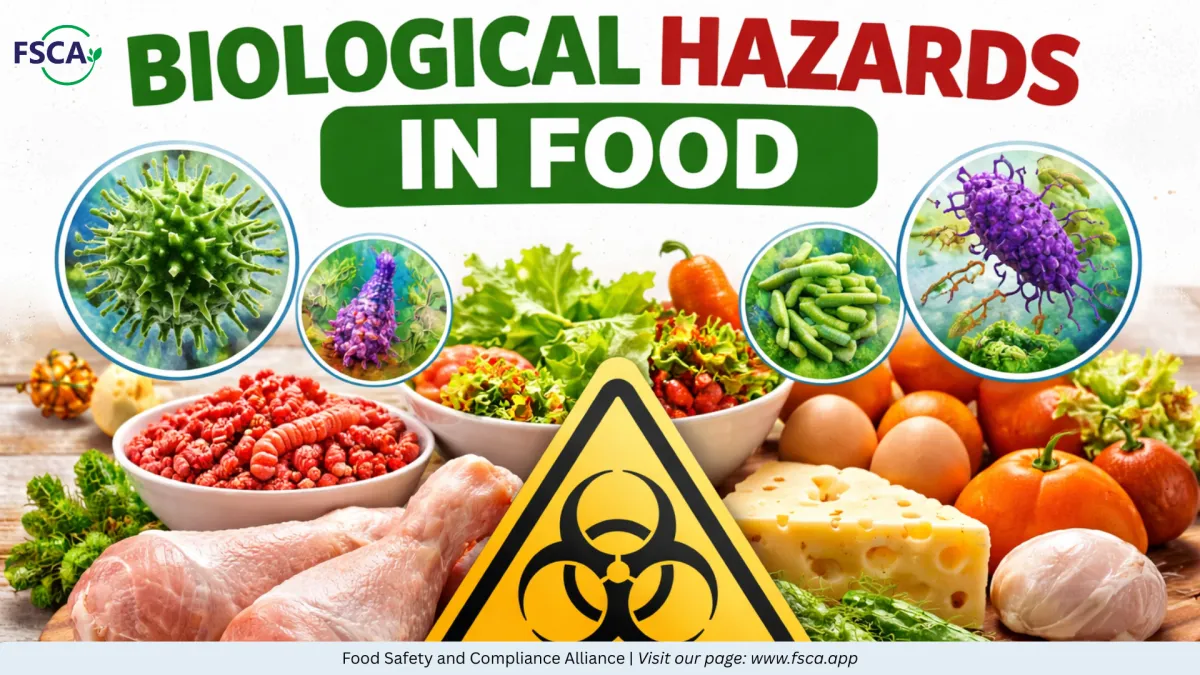
Biological Hazards
FDA Foodborne Illness- Causing Organisms: What You Need to Know - VIEW
USDA Pathogen Modeling Program (PMP) - VIEW
FDA Bag Bug Book - VIEW
Combase Browser and Predictive Models for Microbial Growth - VIEW
FDA’s Hazard Analysis and Risk-Based Preventive Controls for Human Food - Appendix 1: Known or Reasonably Foreseeable Hazard - VIEW
FDA’s Hazard Analysis and Risk-Based Preventive Controls for Human Food - Appendix 3: Bacterial Pathogen Growth and Inactivation - VIEW
FDA’s Hazard Analysis and Risk-Based Preventive Controls for Human Food - Appendix 4: Foodborne Pathogen Supplementary Information - VIEW
FDA’s Hazard Analysis and Risk-Based Preventive Controls for Human Food - Chapter 3: Potential Hazards Associated with the Manufacturing, Processing, Packing, and Holding of Human Food - VIEW
FDA’s Office of Regulatory Affairs (ORA) Lab Manual (Section 4) - VIEW
IFT (Institute of Food Technologists) (2001) Evaluation and Definition of Potentially - VIEW
FDA lab manual volume IV Section 4 - Microanalytical and Filth Analysis (IV-04) - VIEW
Validation and Verification: A Practical, Industry-driven Framework Developed to Support the Requirements of the Food Safety Modernization Act (FSMA) of 2011 - VIEW
Almond Board of California. (2007). Guidelines for Validation of Oil Roasting Processes - VIEW
Control of Salmonella in Low Moisture Foods Guidance Document - VIEW
FDA Draft Guidance for Industry: Questions and Answers Regarding the Reportable Food Registry as Established by the Food and Drug Administration Amendments Act of 2007 (Edition 2) - VIEW
International Commission on Microbiological Specifications for Foods (ICMSF) - VIEW
Microorganisms in Foods: Microbiological Specifications of Food Pathogens - VIEW
Microorganisms in Foods 6: Microbial Ecology of Food Commodities. Kluwer Academic/Plenum Publishers, New York Scallan, et. al. (2011) - VIEW
Foodborne illnesses acquired in the United States – Major Pathogens - VIEW
CDC Emerging Infectious Diseases - VIEW
CDC Surveillance for Foodborne Disease Outbreaks — United States - VIEW
FDA’s Office of Regulatory Affairs (ORA) Lab Manual (Section 4) - VIEW
IFT (Institute of Food Technologists). (2001). Evaluation and Definition of Potentially Hazardous Foods. - VIEW
HACCP Principles and Application Guidelines: National Advisory on the Microbiological Criteria for Foods - VIEW
American Public Health Association (APHA) Compendium of Methods for the Microbiological
Examination of Foods - VIEW
FDA Bacteriological Analytical Manual (BAM) - VIEW
FDA Macroanalytical Procedures Manual (MPM) - VIEW
Draft Guidance for Industry: Control of Listeria monocytogenes in Ready-to-Eat Foods - VIEW
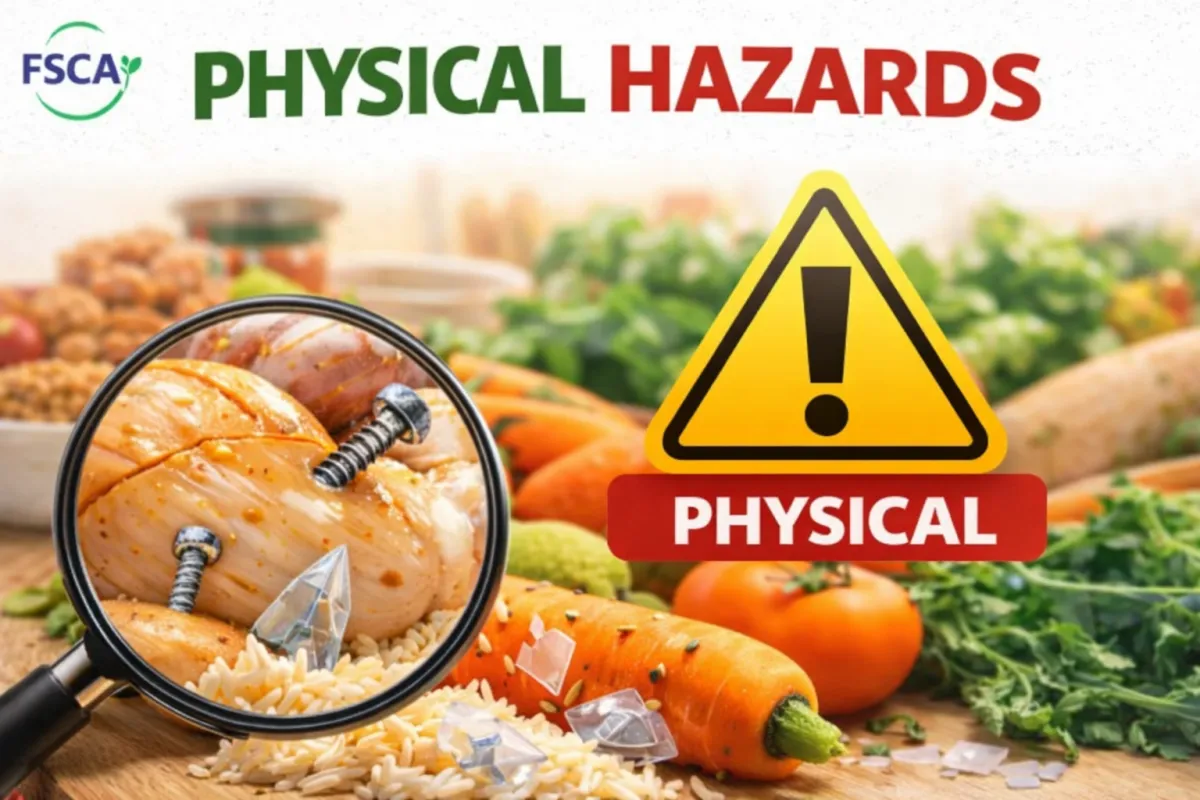
Physical Hazards
Compliance Policy Guide 555.425 Foods, Adulteration Involving Hard or Sharp Foreign Objects - VIEW
Policy Statement—Prevention of Choking Among Children - VIEW
American Academy of Pediatrics. (2010). Policy Statement – Prevention of Choking Among Children. Pediatrics 125(3), 601-607 - VIEW
FDA Food Defect Levels Handbook - VIEW
FDA lab manual volume IV Section 4 - Microanalytical and Filth Analysis (IV-04) - VIEW